Norweco Singulair Green Wantage NJ: Eco-Conscious Wastewater Treatment Explained

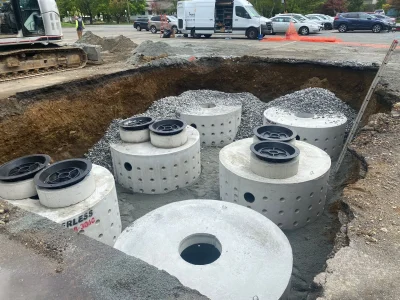
If you live in a place like Wantage, NJ, wastewater is not an abstract utility hidden behind a monthly bill. It is part of the property itself. The house, the yard, the well, the septic system, the slope of the land, and the local soil all work together, or they clash. That is why interest in the norweco singulair green Wantage NJ conversation has grown among homeowners, builders, and property managers who need a treatment system that goes beyond a basic septic setup.
In a rural or semi-rural setting, wastewater treatment is not just about disposal. It is about protecting groundwater, staying within local code requirements, and avoiding the kind of chronic system trouble that quietly drains money for years. When people start looking at advanced treatment systems, Norweco’s Singulair Green often enters the discussion because it is designed to treat wastewater more thoroughly than a conventional septic tank alone.
That sounds straightforward on paper. In practice, deciding whether this kind of system makes sense in Wantage takes more than reading a brochure. It means understanding the local site conditions, the way advanced treatment actually works, what maintenance looks like over time, and where the real trade-offs sit.
Why advanced wastewater treatment matters in Wantage
Wantage sits in a part of New Jersey where many properties rely on onsite wastewater systems rather than public sewer. That changes the stakes. If a conventional septic system struggles because of poor drainage, high seasonal groundwater, a constrained lot, or aging infrastructure, the problem does not stay neatly underground. It can surface as persistent wet spots, odors, backups, or water quality concerns that affect a well or nearby drainage path.
In communities with larger lots, it is easy to assume any septic arrangement will work if there is enough land. Experience says otherwise. A large yard does not automatically mean suitable soil, proper separation to groundwater, or a practical area for a new leach field. Some sites are sandy and drain quickly. Others have tighter soils, rock, uneven grades, or seasonal saturation that complicate design. Older homes can add another wrinkle, especially when the original system was built for a smaller occupancy or under standards that have changed.
That is where an advanced treatment unit can help. Rather than relying almost entirely on passive settling in a tank and treatment in the soil, these systems actively improve the quality of effluent before it reaches the dispersal area. Cleaner effluent can reduce stress on the disposal field and can be especially valuable on sites where a conventional approach is marginal or no longer appropriate.
What the Norweco Singulair Green system is meant to do
The Singulair Green is an aerobic wastewater treatment system. In simple terms, it introduces oxygen into the treatment process so aerobic bacteria can break down waste more efficiently than in a conventional septic tank, which depends largely on anaerobic digestion and soil absorption later in the cycle.
That distinction matters. A standard septic tank is a settling and storage component first, with only limited treatment happening inside the tank itself. The drain field does much of the real polishing. An aerobic treatment unit improves the wastewater before it reaches the soil. That can mean lower organic loading, lower suspended solids, and a cleaner overall discharge to the downstream dispersal component, depending on design, operation, and maintenance.
For homeowners, the practical takeaway is not that one system is universally better than another. It is that an advanced unit like this is engineered for situations where higher treatment performance is desirable or necessary. On some properties, that makes the difference between a workable design and a difficult one.
How treatment happens in real terms
It helps to picture the system as a series of treatment stages rather than one underground box doing everything.
Wastewater enters the system from the house carrying solids, organic matter, grease, soaps, and nutrients. The initial chamber allows heavier material to settle and lighter material to float, much like a conventional tank. After that, the aerobic stage is where the system separates itself. Air is introduced to support oxygen-loving bacteria that consume and stabilize waste more aggressively.
As the wastewater moves through clarification and final treatment stages, solids are separated again, and the effluent is improved before discharge to the next component, whether that is a drip field, shallow disposal area, or another approved dispersal method depending on the site plan. Some systems also include disinfection in certain applications, though the exact configuration depends on local design requirements.
The important point is that advanced treatment does not eliminate the need for a dispersal area. People sometimes misunderstand that. Even highly treated effluent still needs a lawful, properly designed path into the environment unless a specific discharge permit applies, which is a separate matter and not typical for a standard home installation.
Why homeowners in Wantage look at this option
There are several common scenarios where the norweco singulair green Wantage NJ search tends to come up.
One is replacement. An older septic system may be failing, and the lot may not offer an easy like-for-like replacement with a conventional design. Another is new construction on a site where the soil or lot layout imposes tighter design constraints. A third is renovation, especially when an addition increases bedroom count and wastewater flow expectations.
I have also seen interest from owners who are simply trying to be more careful with their land and water use. That group usually asks sharper questions than the average buyer. They want to know how the system behaves in winter, what happens during power outages, whether noise is noticeable near the tank area, how often service is required, and whether “eco-conscious” translates into less environmental risk or just more equipment.
Those are the right questions to ask.
The environmental case, minus the sales language
When people hear “green” in a product name, skepticism is healthy. Wastewater treatment should be judged by measurable outcomes and long-term reliability, not branding. The environmental argument for an aerobic treatment system rests on a few grounded ideas.
First, better treatment before dispersal can reduce the burden on the soil. That is meaningful on sensitive sites or where protecting groundwater is a priority.
Second, a well-maintained advanced system can support responsible development on lots that might otherwise strain a conventional septic design. That can preserve property use without simply shifting the environmental risk downhill.
Third, treatment quality tends to be more consistent when the system is sized properly and maintained on schedule. The caveat is obvious but important: an advanced system that is neglected can lose the very advantages that justified it.
There is no magic here. Mechanical wastewater treatment improves performance by adding engineered controls and oxygen. That usually means better treatment, but it also means more dependence on service, electricity, and oversight.
Where this system fits well, and where it may not
Not every home in Wantage needs an advanced treatment unit. If a property has excellent soils, enough room, good separation to groundwater, and a straightforward conventional design path, a standard septic system may remain a practical choice. It can be simpler and less expensive to own.
The Singulair Green tends to make more sense where the site is more demanding. Think of lots with limitations, homes near wells or environmentally sensitive areas, replacement projects with little room for error, or properties where a designer needs higher treatment performance to satisfy permitting and engineering goals.
It may also suit owners who understand maintenance and are comfortable treating the system like essential mechanical infrastructure rather than a buried asset to ignore for twenty years.
That mindset matters. Advanced treatment is not usually a set-it-and-forget-it arrangement. It rewards attention and punishes neglect more quickly than a purely passive system.
What installation really depends on
People often ask for a price or a timeline before they ask the question that determines both: what does the site require?
The installed cost of a system like this can vary significantly because the treatment unit is only one part of the project. Design fees, soil testing, permits, excavation, electrical work, alarms or controls, tank access, dispersal field type, restoration, and local code requirements all shape the total. A property that looks simple from the road can become technically complicated once test pits, setbacks, and grading are analyzed.
In northern New Jersey, weather and season also play a role. Wet ground conditions can delay excavation or make restoration more difficult. Rocky subsurface conditions can increase labor and equipment time. Tight access near mature landscaping or existing structures can push costs up in ways homeowners do not expect.
The best contractors and designers usually resist giving fast, broad promises. They want site information first, and that is a sign of professionalism, not evasion.
Day-to-day living with an aerobic treatment unit
Most of the time, homeowners do not notice much after installation if the system is designed and maintained correctly. That is the goal. The system should work quietly in the background.
But there are a few practical differences compared with a conventional septic setup. Because the unit relies on aeration and controls, it uses electricity. The actual consumption varies by model and operating conditions, but it is one more piece of household equipment on the meter. There may also be audible or visible alarms if the system detects certain faults. Those alarms are useful, though no one enjoys hearing one on a Sunday evening.
Routine service is part of ownership. Depending on local requirements and the specific installation, that may include inspections, component checks, sludge level evaluation, filter cleaning if applicable, and confirmation that aeration and settling processes are functioning properly. Pumping intervals still matter, even though the treatment method is more advanced.
A homeowner who treats the system responsibly usually avoids major trouble. That means not sending grease, wipes, solvents, excessive bleach, or unpredictable loads into the tank. It also means spreading laundry and water use reasonably instead of hammering the system with sudden surges.
What maintenance actually looks like
A common misconception is that advanced treatment replaces septic pumping. It does not. Solids still accumulate and need periodic removal. The schedule depends on tank capacity, occupancy, household habits, and service observations. Some homes may need pumping every few years. Others can go longer. Guesswork is not a maintenance strategy.
Service technicians typically look at the mechanical and biological health of the system together. They are not just checking whether something turns on. They are watching for signs of carryover, unusual sludge buildup, weak aeration, or issues in the downstream disposal area.
Good maintenance records are worth more than people realize. They help during home sales, support warranty conversations, and allow a technician to spot patterns before they become failures. A system with a documented service history is much easier to trust than one that “seems fine” because nobody has looked at it in years.
Power outages, cold weather, and other local realities
Wantage homeowners tend to think practically, and that includes asking how a system behaves during a storm or a winter cold snap.
With an aerobic treatment unit, a power outage matters because aeration and controls depend on electricity. A brief outage is not usually catastrophic, but frequent or prolonged outages are not ideal. If a property experiences unreliable electric service, it is worth asking the installer how the system handles interruption and what the homeowner should do after restoration. Some owners with backup power consider whether critical septic components should be included in that planning.
Cold weather is less dramatic than many people expect because much of the system is buried and benefits from the relatively stable temperature below grade. Problems are more likely to come from poor installation details, exposed piping, or unusual patterns of low use, such as a vacation property sitting idle in freezing conditions.
Heavy rain and spring thaw can also reveal whether the overall design is robust. Even a strong treatment unit cannot compensate for a poorly conceived disposal area or drainage plan. That is one reason site engineering matters so much.
norweco singulair green Wantage NJ excavatingnj.comQuestions worth asking before you commit
A polished sales pitch is not enough when you are making a long-term wastewater decision. The best conversations usually happen when a homeowner sits down with the designer, installer, or service provider and presses for specifics.
Here are the questions that tend to separate a routine proposal from a thoughtful one:
- Why is this system recommended for this particular site, instead of a conventional design or another advanced option?
- What maintenance schedule will be required, and who will provide that service locally?
- How will the system be affected by power outages, seasonal occupancy, or unusually high water use?
- What parts of the project cost are fixed, and which could change after excavation or final design review?
- How will the dispersal area be protected during and after construction?
Those answers tell you whether the recommendation is rooted in the land and the house, or simply in product preference.
Cost, value, and the mistake of comparing only upfront numbers
There is no single statewide figure that fairly captures the installed cost of an advanced treatment system, and anyone giving one without a site review is offering a rough guess at best. In broad terms, homeowners should expect an advanced system to cost more upfront than a simple conventional septic system. It also carries ongoing service costs and power use that a passive system may not.
That said, the cheaper option on day one is not always the better value over ten or fifteen years. If an advanced unit allows a legal, durable design on a difficult lot, avoids repeated drain field distress, or protects a replacement area that would be expensive to reconstruct later, the math changes. Cost has to be measured against site constraints, compliance, future property use, and risk.
I have seen homeowners fixate on the treatment unit price while overlooking excavation, grading, restoration, and long-term service access. Then the project starts and reality catches up. The wiser approach is to look at the full lifecycle. How hard will the system be to service? Can tanks be accessed without tearing up finished landscaping? Is the dispersal area protected from future vehicle traffic? Small planning choices often determine whether the system remains practical years later.
A note on home sales and buyer perception
Advanced wastewater systems can create anxiety for buyers who do not understand them. They hear “mechanical” and assume “problem.” That reaction is common, but it is usually a knowledge gap rather than a true red flag.
A clean record helps. So does having a local service provider, clear documentation, and a straightforward explanation of what the system does. In some cases, an advanced treatment unit can actually reassure informed buyers because it suggests the wastewater design was approached seriously, particularly on a challenging site.
Sellers are better off explaining the system plainly than pretending it is identical to a basic septic arrangement. Most buyers handle complexity well when it is documented and professionally maintained.
What responsible ownership looks like after installation
Owning a system like this is less about technical expertise and more about steady habits. The people who have the fewest problems usually do the same simple things consistently. They schedule service. They respond to alarms promptly. They avoid abuse from wipes, grease, and harsh chemicals. They know where the system components are located. They keep heavy vehicles off the treatment and dispersal areas. They save records.
That is not glamorous advice, but it is the kind that keeps wastewater systems boring, and boring is exactly what you want.
For homeowners exploring the norweco singulair green Wantage NJ norweco singulair green Wantage NJ option, the smartest next step is not choosing the product first. It is getting the site evaluated by qualified local professionals who understand soil conditions, permitting realities, and long-term service. A good advanced treatment system can be a strong environmental and practical fit. A badly matched system, even a high-quality one, becomes expensive frustration.
The real decision is not whether a system sounds green or advanced. It is whether it is the right answer for your property, your water use, your maintenance tolerance, and the physical conditions under your feet. In Wantage, that is the level where wastewater decisions are won or lost.
Excavating New Jersey LLC
406 County Rd 565
Wantage, NJ 07461, United States
Phone: +1 (973) 791-4284
FAQ About norweco singulair green Wantage NJ
How does a Norweco septic system work?
Singulair Green uses aerobic biological treatment in a polyethylene tank, followed by settling and filtration. The treatment unit is one part of a complete wastewater system; the site design also determines how treated effluent is dispersed.
How much does a Norweco septic system cost in NJ?
A useful estimate requires a property evaluation. Excavation access, soil conditions, engineering, electrical work, the disposal field, and restoration can affect the total. Ask Excavating New Jersey LLC for a written scope that distinguishes installation costs from ongoing service costs.
Are Norweco septic systems good?
Singulair Green is an established aerobic treatment option, but suitability depends on the property and proposed design. Compare the model's documented performance, maintenance needs, and total project scope with alternatives before deciding.