How Norweco Singulair Green Can Improve Wastewater Quality in Wantage NJ
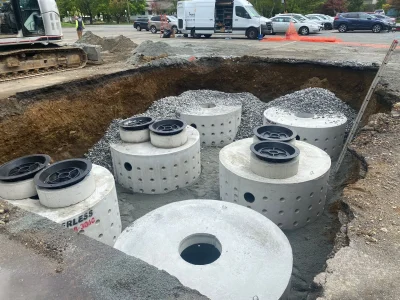
Wastewater treatment is easy to ignore until it stops working well. Then it becomes impossible to ignore. A soggy patch in the yard, odors near the tank, slow drains, or a failed inspection can turn a routine part of homeownership into an urgent and expensive problem. In a place like Wantage, where many properties rely on onsite wastewater systems rather than centralized sewer service, performance matters for more than convenience. It affects groundwater, nearby streams, household health, and norweco singulair green Wantage NJ the long term value of the property itself.
That is where treatment quality starts to matter more than simple wastewater disposal. A conventional septic system can work perfectly well on the right lot, with the right soils, under the right loading conditions. But not every site fits that ideal. Some properties face tighter environmental constraints, smaller usable areas, challenging soils, seasonal saturation, or redevelopment plans that push older systems beyond what they were designed to handle. In those situations, a more advanced treatment approach can make a meaningful difference.
For homeowners, builders, and property managers considering norweco singulair green Wantage NJ options, the appeal usually comes down to one practical question: will it produce cleaner effluent and help the system perform more reliably over time? In many cases, the answer is yes, provided the system is properly designed, installed, and maintained.
Why cleaner effluent matters in a rural community
When a wastewater system sends partially treated effluent into the soil, the soil becomes part of the treatment train. That is normal. The problem begins when the wastewater reaching the soil still carries more suspended solids, oxygen demand, and nutrients than the site can comfortably handle. Over time, that can shorten drainfield life, stress the surrounding soil, and increase the risk of off site impacts.
In northern New Jersey communities like Wantage, lot conditions vary from one property to the next. Some sites have room to spare. Others do not. Some drain well. Others hold water after storms or spring thaw. A system that sends cleaner, more consistently treated effluent to the disposal area gives the site a better chance to do its job. That is not marketing language. It is a matter of reducing the load placed on the final treatment area.
For homeowners with wells, that issue often feels more immediate. No one wants to wonder whether an aging or underperforming septic system is affecting groundwater quality. A well maintained advanced treatment unit cannot guarantee every environmental outcome, because site conditions still matter, but it can reduce the pollutant load that reaches the disposal field compared with raw septic tank effluent alone.
What the Norweco Singulair Green system is designed to do
The Norweco Singulair Green system is an aerobic treatment system. Instead of relying mainly on passive settling and anaerobic digestion inside a septic tank, it introduces oxygen and uses an active biological process to break down wastewater more thoroughly before it reaches the next stage of treatment or dispersal.
That distinction matters. Aerobic treatment tends to produce a higher quality effluent than norweco singulair green Wantage NJ a basic septic tank alone because aerobic microorganisms can digest waste faster and more completely under the right conditions. In real world terms, that often means clearer effluent, reduced odors, and lower levels of organic material and suspended solids entering the disposal area.
People sometimes assume every advanced treatment unit works the same way. They do not. The details of the process, the controls, the service requirements, and the consistency of treatment all matter. The Singulair Green line has a long presence in the onsite wastewater space, and one reason professionals consider systems like this is the ability to treat domestic wastewater in a compact footprint while producing a more refined effluent than many conventional setups.
That improved effluent quality can be especially useful when the disposal area is working on a tighter margin. Smaller replacement areas, site constraints, renovation projects, and properties with less forgiving soil conditions all benefit when the wastewater arriving at the field has already been treated to a higher standard.
The local value of advanced treatment in Wantage
Wantage has the kind of mix that makes onsite wastewater planning more site specific than many people expect. You can drive a few minutes and move from one set of conditions to another. One property may have generous setbacks and suitable soils. The next may have slopes, rock, wet areas, or space limitations created by additions, outbuildings, driveways, or lot shape.
That variability is one reason advanced systems often enter the discussion during repairs, replacements, and new construction on constrained sites. A homeowner may not be looking for anything sophisticated. They may simply need a system that can meet current code requirements and fit the property without forcing a major redesign of the lot.
I have seen cases where owners initially resist the idea of an aerobic treatment unit because it sounds more complex than a standard tank and field. Then the site evaluation comes back, the design options are reviewed, and the advanced unit starts to look less like an upgrade and more like the sensible path forward. Cleaner effluent can preserve disposal area performance, support a more compact design in some applications, and provide a better answer for a lot that does not have ideal natural conditions.
That is a practical argument, not a theoretical one. In wastewater work, idealized systems on paper mean very little. The site always gets the last word.
How improved treatment protects the drainfield
Most septic failures that homeowners notice are not really tank failures. They are drainfield failures or drainfield stress. The tank may still be structurally sound, but the soil absorption area has become overloaded, clogged, or hydraulically compromised.
When wastewater leaves a basic septic tank, it still contains dissolved and suspended pollutants. If too much of that material reaches the soil over time, a biological mat can build up at the infiltrative surface. Some biomat is expected and even useful, but excessive loading can reduce infiltration and create backup conditions. Once that process gets far enough, the field begins to struggle.
A system like the Norweco Singulair Green unit helps by reducing the waste strength before discharge. Lower solids and better treatment upstream often translate into less stress on the downstream disposal area. That can improve longevity, especially where the field was never oversized to begin with.
This is one of the most overlooked financial benefits of advanced treatment. Homeowners often focus on the upfront equipment cost, which is understandable. But replacing a failed field, regrading a yard, relocating components, or working around hardscape and landscaping can cost far more than routine service on a treatment unit. A cleaner effluent stream is not just about environmental performance. It can be a protective measure for the most expensive part of the system to replace.
A more consistent response to modern household wastewater
Older septic systems were often designed around a simpler picture of household water use. Today, many homes produce a different wastewater profile. High efficiency fixtures reduce water volume but can increase concentration. Larger tubs create surge flows. Finished basements, added bedrooms, home offices, and multigenerational occupancy can all change loading patterns over time.
Laundry habits matter too. It is common to see a system stressed not because the total weekly water use is excessive, but because large volumes hit the system in short bursts. A heavy Saturday of laundry and guests can load a system very differently than a steady weekday routine.
Advanced aerobic treatment offers a more active process for managing those fluctuations. It is not a license to abuse the system, but it generally handles variable domestic wastewater more effectively than a passive tank alone. On properties where use patterns have changed since the house was built, that added resilience can be valuable.
I have also seen homeowners surprised by how much system performance improves once the treatment process becomes more controlled. Odors near the tank area diminish. Effluent quality improves. The disposal area behaves more consistently after wet weather. Those gains do not happen by magic. They happen because the wastewater reaching the soil has gone through a stronger treatment process first.
What homeowners should expect from operation and maintenance
No advanced treatment unit is maintenance free. That needs to be said plainly. If someone wants the simplest possible system with the fewest mechanical components, a conventional gravity septic design will always look more attractive on paper. Aerobic systems use equipment, and equipment requires inspection and service.
That said, the maintenance is usually manageable when the owner understands what they have and works with a qualified service provider. In exchange, the homeowner gains treatment performance that a basic tank alone typically cannot match.
A responsible owner should expect periodic inspection of the treatment components, verification that aeration and recirculation functions are operating properly where applicable, and regular evaluation of sludge levels and general system condition. Pumping schedules still matter. So do filters, alarms, and effluent quality checks where required by local rules or service agreements.
The trade off is straightforward. A more advanced process asks for more oversight, but it can also deliver cleaner discharge and better protection for the disposal area. For many constrained or higher risk sites, that is a worthwhile exchange.
Where the system can make the biggest difference
The Norweco Singulair Green approach tends to be most valuable where the site or the project has little room for weak treatment performance. That can include replacement systems on developed lots, homes near sensitive environmental features, renovations that increase bedroom count, or parcels with less than ideal soil conditions.
There is also a planning advantage. Designers working on difficult lots often need tools, not miracles. An advanced treatment unit gives them one more way to improve effluent quality and meet site demands. It does not erase setback rules or eliminate the need for proper engineering, but it can widen the range of workable solutions.
For someone searching specifically for norweco singulair green Wantage NJ, that usually means one of two things. Either the property has a known wastewater challenge, or the owner wants to build or upgrade with a stronger environmental margin. Both are sensible reasons to explore the system.
Common signs a property may benefit from an upgraded treatment approach
Not every warning sign means a home needs an aerobic treatment unit, but several recurring patterns often push the conversation in that direction:
- The existing septic system has a history of backups, odors, or wet spots near the disposal area.
- The lot has limited usable space for a replacement field because of setbacks, grading, or improvements already on site.
- Soil conditions or seasonal wetness make it harder for a conventional system to perform comfortably.
- The home has been expanded or occupancy has increased beyond what the original system was meant to handle.
- A real estate transaction or inspection has revealed that the current arrangement is aging, undersized, or noncompliant.
Those conditions do not automatically point to one brand or one treatment technology, but they do indicate that a higher level of wastewater treatment may be worth serious consideration.
Installation quality matters as much as equipment quality
A well built treatment unit can still disappoint if the system around it is poorly planned. This is where homeowners sometimes get led astray. They spend a lot of time comparing products and not enough time evaluating site work, hydraulic design, installer experience, service access, and long term maintenance support.
The best wastewater professionals tend to look at the whole chain. They ask how wastewater enters the unit, how solids are managed, what pretreatment is involved, what the discharge quality is likely to be, and how the disposal area will respond over the seasons. They also consider homeowner behavior, because even a good system can struggle if people treat it like a garbage can.
With any advanced onsite treatment system, details matter. Tank elevations matter. Electrical reliability matters. Access for service matters. Alarm visibility matters. Drainage around the tanks matters. If stormwater is allowed to run into treatment components or if roof leaders saturate the disposal area, the treatment unit gets blamed for problems it did not create.
That is why local experience counts. A contractor or designer who understands Wantage area site conditions can often anticipate issues that do not show up clearly on a generic brochure.
The relationship between wastewater quality and property value
Septic systems rarely get credit when they work quietly in the background, yet they can influence property value in a major way. Buyers become cautious when they hear words like failure, seepage, replacement area, or noncompliance. Lenders and insurers may ask questions. Deals can slow down while inspections and design reviews play out.
On the other hand, a property with a documented, professionally maintained advanced treatment system often presents better than one with an uncertain older setup nearing the end of its service life. That does not mean every buyer understands the difference immediately. Many do not. But inspectors, engineers, and informed agents certainly do.
A cleaner treatment process can also support peace of mind for owners who expect to stay long term. They know the wastewater system is not simply storing and dumping, but actively treating. That distinction matters when a home depends on groundwater, sits near neighboring wells, or has limited room for future corrective work.
What owners can do to help the system perform at its best
Even the best treatment unit benefits from good household habits. The goal is not perfection. It is reducing unnecessary stress on the biological process and the disposal area.
Here are a few practices that consistently help:
- Spread laundry loads across the week instead of running many back to back in one day.
- Keep grease, wipes, paper towels, and harsh chemicals out of drains, even if labels claim they are flushable or septic safe.
- Follow the service schedule and respond quickly to alarms or unusual odors.
- Direct roof runoff and surface water away from tanks and disposal areas.
- Know where the system components are before starting landscaping, paving, or heavy equipment work.
These are small decisions, but they often separate systems that age gracefully from systems that fail early.
A realistic look at costs and trade offs
It would be misleading to pretend that an aerobic treatment system is the cheapest path in every case. It is not. There is typically more equipment involved, and there are service obligations that a basic gravity system may not have to the same degree. Owners should go into the decision with clear expectations.
At the same time, cheapest at installation and cheapest over the life of the property are not always the same thing. If a standard approach strains the site, shortens drainfield life, or creates recurring nuisance issues, the apparent savings can disappear fast. Excavation, redesign, repair work, and failed inspections are expensive, and they tend to happen at the worst possible time.
That is why the right comparison is not advanced system versus ideal conventional system on a perfect lot. The right comparison is advanced system versus the actual alternatives available on that specific parcel. In many real world cases, especially on constrained or sensitive sites, the stronger treatment performance justifies the extra complexity.
Choosing the next step in Wantage
Anyone seriously evaluating norweco singulair green Wantage NJ should begin with the property, not the product. A thorough site evaluation, a review of the existing system if there is one, and a clear understanding of local permitting requirements should come first. Once those facts are on the table, it becomes much easier to judge whether an aerobic treatment unit is simply an option or the strongest practical solution.
The homeowners who make the best decisions in this area usually ask grounded questions. How clean is the effluent likely to be relative to other options? How much maintenance is required? Who will service it? How will it affect the disposal field? What happens if usage increases later? How will winter conditions, groundwater, or drainage around the site affect performance?
Those are the right questions because they focus on outcomes, not sales language.
For many properties in Wantage, the value of a Norweco Singulair Green system comes down to a simple advantage: better wastewater treatment before the water reaches the soil. That can mean lower stress on the disposal area, fewer nuisance problems, a better fit for difficult lots, and stronger protection for groundwater quality. In onsite wastewater, cleaner effluent is never just an abstract technical benefit. It is one of the most practical ways to build reliability into a system that most people only notice when something goes wrong.
Excavating New Jersey LLC
406 County Rd 565
Wantage, NJ 07461, United States
Phone: +1 (973) 791-4284
FAQ About norweco singulair green Wantage NJ
How does a Norweco septic system work?
Singulair Green uses aerobic biological treatment in a polyethylene tank, followed by settling and filtration. The treatment unit is one part of a complete wastewater system; the site design also determines how treated effluent is dispersed.
How much does a Norweco septic system cost in NJ?
A useful estimate requires a property evaluation. Excavation access, soil conditions, engineering, electrical work, the disposal field, and restoration can affect the total. Ask Excavating New Jersey LLC for a written scope that distinguishes installation costs from ongoing service costs.
Are Norweco septic systems good?
Singulair Green is an established aerobic treatment option, but suitability depends on the property and proposed design. Compare the model's documented performance, maintenance needs, and total project scope with alternatives before deciding.